Case study
Atmosfy
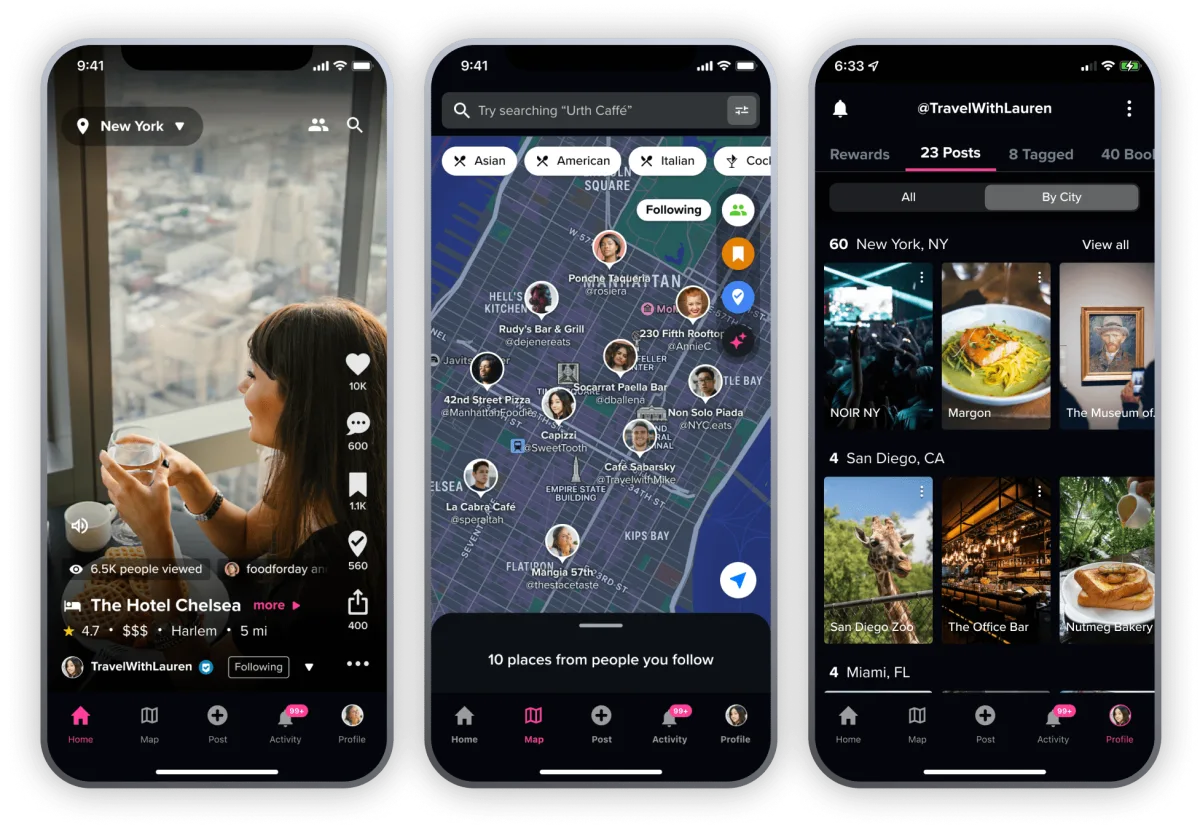
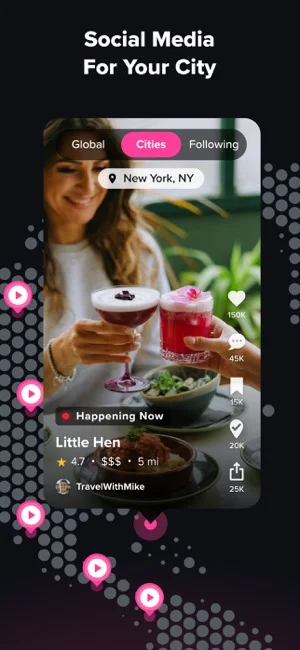
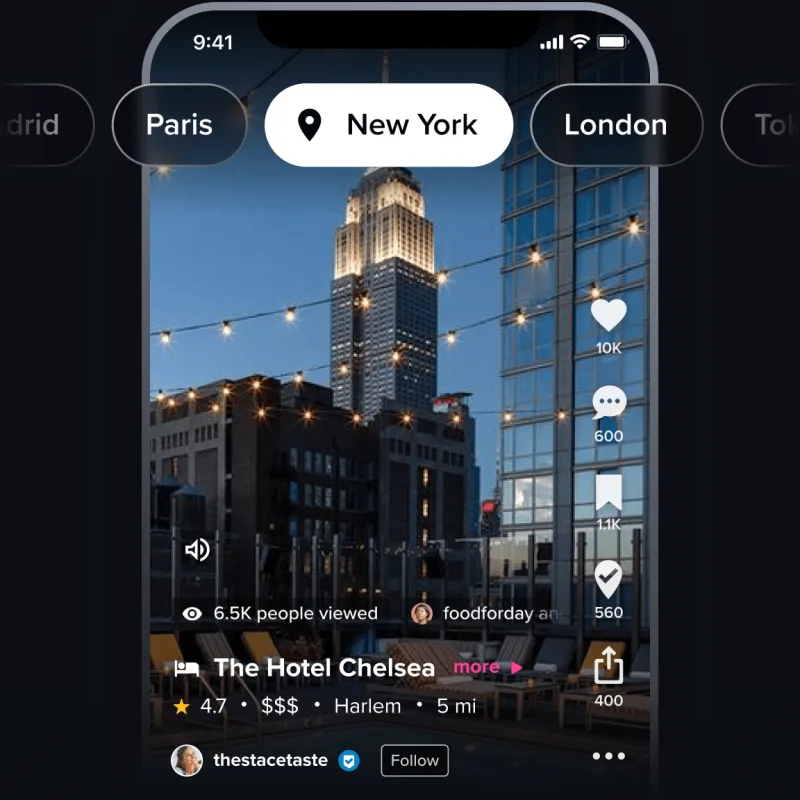
A short-form video app for discovering dining, nightlife, and travel. There was no backend when I started. I built it from the first line of code, evolved it as the company grew, and led its engineering from 2018 to 2026.
- Built from zero
- Backend and cloud architecture built from the first line of code.
- Scaled globally
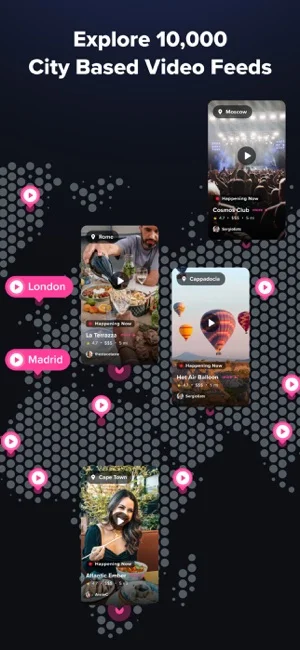
- Architecture evolved alongside a platform now spanning 20,000 cities across 150 countries.
- Engineering leadership
- Led a six-engineer team as the platform and organization grew.
- Revenue protected
- Identified and corrected a production issue causing recurring revenue leakage.
- Costs reduced
- Identified and eliminated a significant unnecessary recurring expense.
How it unfolded
2018
Starting from a blank slate
Atmosfy, still called BarPeak, had no production backend. Under a Phoenix Powered contract, I built the backend for location-based video reviews from the first line of code and designed the AWS architecture it runs on. I also drove the rename to Atmosfy and helped choose the logo and colors.
First releases
Shipping and growing
I took the platform through its first releases on iOS and Android, then kept evolving the architecture as the product, its data, and its usage grew more demanding. The platform and architecture supported Atmosfy through its $12M seed round, during which I also participated in technical discussions with prospective investors.
Through 2022
From building the system to leading the team
With funding in place, we built an engineering team of six. I moved from building the system to leading the engineers building on it: owning the technical roadmap and architecture decisions, working directly with advisors, and staying a core contributor on the hardest problems.
2022–2026
Back to the hardest technical problems
I stepped back from day-to-day leadership to focus on the platform itself: performance, cost, and the problems nobody else could untangle.
What I built
Backend
The services behind location-based video reviews, built from the first line of code. There was no existing backend to maintain; I designed it, then evolved it from a greenfield implementation into the foundation of a global discovery platform.
Cloud and search
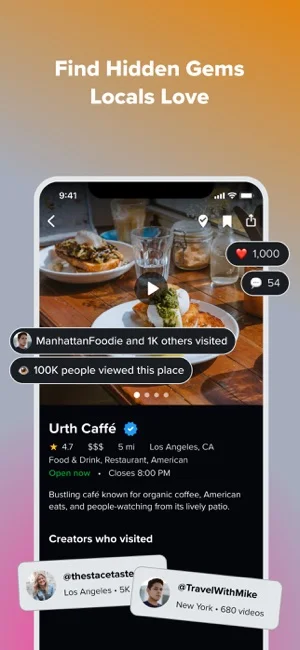
AWS architecture I designed from the start and evolved as usage and product complexity grew, with Elasticsearch powering location-based discovery.
Mobile apps
Cross-platform apps from a single codebase, tuned for short-form video playback and location services.
Website
Migrated Atmosfy’s website from a React single-page app to Next.js with server-side rendering, making pages faster and much easier for search engines to crawl.
Video
Rather than hire a dedicated video specialist to run processing on AWS, I moved video processing to Cloudinary and negotiated the partnership.
Engagement and analytics
Integrated CleverTap, Braze, and PostHog for customer messaging and product analytics, then migrated messaging from CleverTap to Braze.
The scale it grew into
What began as a greenfield backend evolved alongside Atmosfy into the technical foundation for a global discovery platform. These are Atmosfy’s public figures for that platform today.
- 500M+
- discovered experiences
- 100M+
- points of interest
- 20,000
- cities
- 150
- countries
The app
Beyond features: business outcomes
The work went beyond shipping features. Two problems were costing the business money, and finding them meant looking at the system in terms of revenue and cost, not just code.
Revenue protected
A flaw in Atmosfy’s text and email outreach system was causing recurring revenue leakage. I diagnosed it to its root cause in the production system and had it corrected within a week, ending the recurring loss.
Costs reduced
Running video processing in-house on AWS meant hiring a dedicated video specialist. Instead, I moved processing to Cloudinary and negotiated the partnership, eliminating a significant recurring expense. It was an architecture decision made on engineering quality and business economics at the same time.
Senior engineering judgment, without a six-person team.
Whether you’re building a new product, running a system that no longer scales, losing money to technical problems, or trying to understand where your infrastructure budget goes, I can help.
Book a free intro call